Ensuring a Pristine Pool with Expert Maintenance: Pool Safety and Maintenance Tips
- JANAK BHANDARI
- Feb 19
- 3 min read

Maintaining a swimming pool requires consistent effort and expert knowledge. A clean, safe pool enhances enjoyment and protects your investment. I focus on practical steps to keep pools in top condition. This guide covers essential maintenance tasks, safety measures, and professional support options.
Understanding Pool Water Chemistry
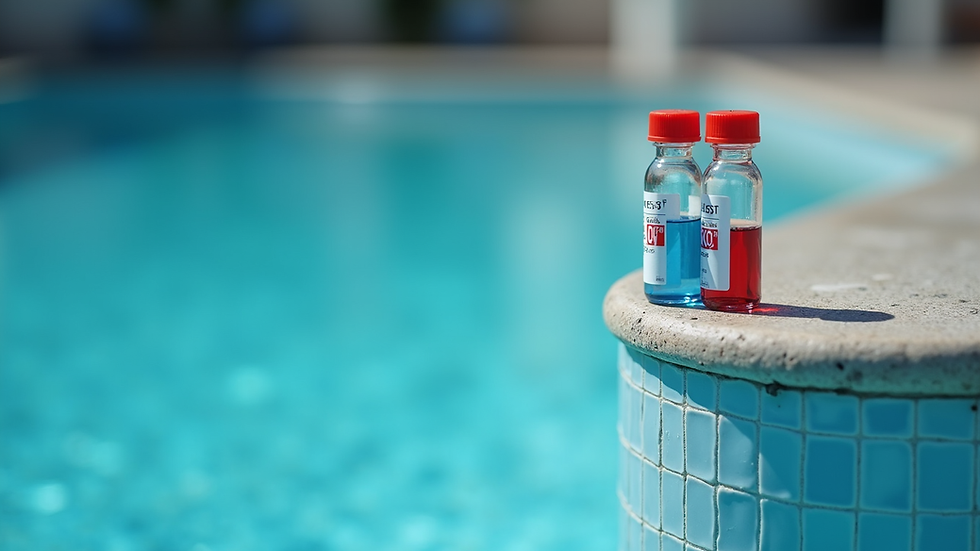
Proper water chemistry is the foundation of pool maintenance. Balancing pH, chlorine, alkalinity, and calcium hardness prevents algae growth, corrosion, and skin irritation.
Test water regularly: Use test strips or digital testers at least twice a week.
Adjust pH levels: Keep pH between 7.2 and 7.6 for optimal chlorine efficiency.
Maintain chlorine levels: Free chlorine should be 1-3 ppm to sanitize effectively.
Control alkalinity: Total alkalinity should range from 80-120 ppm to stabilize pH.
Check calcium hardness: Levels between 200-400 ppm prevent scaling or corrosion.
Regular chemical adjustments reduce the risk of cloudy water and equipment damage. I recommend keeping a log of test results and chemical additions for reference.
Pool Safety and Maintenance Tips
Safety is a priority in pool upkeep. Proper maintenance reduces hazards and ensures compliance with regulations.
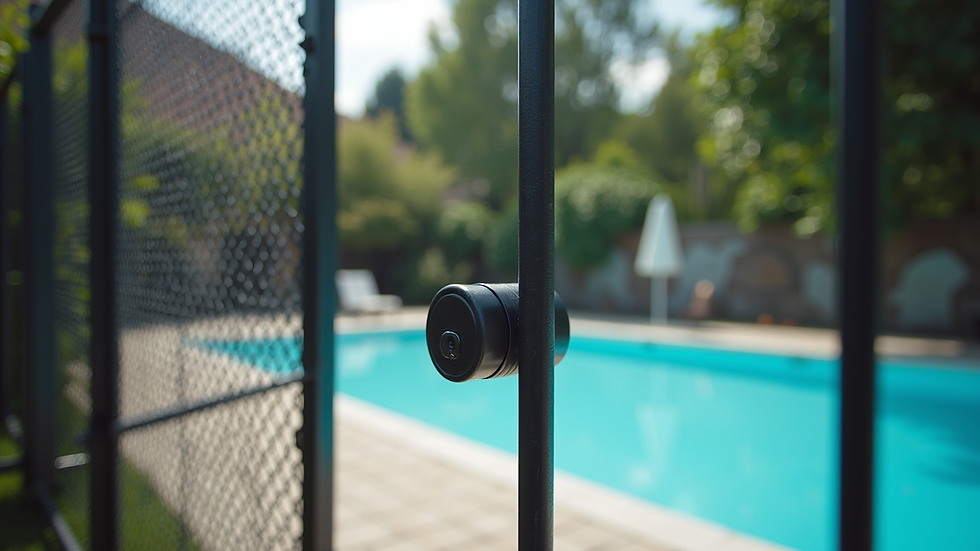
Inspect pool barriers: Check fences, gates, and locks to prevent unauthorized access.
Maintain pool covers: Use covers to keep debris out and reduce evaporation.
Clean pool surfaces: Brush walls and vacuum the floor weekly to prevent algae buildup.
Check pool equipment: Inspect pumps, filters, and heaters for leaks or wear.
Monitor water level: Keep water at the recommended level to avoid pump damage.
I advise scheduling routine inspections and repairs. This proactive approach minimizes risks and extends pool lifespan.
Choosing the Right Pool Cleaning Tools
Selecting effective cleaning tools simplifies maintenance and improves results.
Manual pool vacuum: Ideal for spot cleaning and reaching corners.
Automatic pool cleaner: Saves time by covering large areas independently.
Pool skimmer net: Removes leaves and floating debris daily.
Pool brush: Use nylon or stainless steel brushes depending on pool surface.
Leaf rake: Useful for heavy debris accumulation.
I recommend investing in quality tools suited to your pool type. Regular use prevents dirt buildup and reduces chemical use.
When to Hire Professional Swimming Pool Maintenance Services
Some tasks require expert knowledge and equipment. Hiring professionals ensures thorough care and compliance with safety standards.
Seasonal pool opening and closing: Professionals prepare pools for winter or summer use.
Equipment repair and replacement: Certified technicians handle complex repairs.
Water testing and treatment: Experts provide accurate analysis and chemical balancing.
Algae and stain removal: Specialized treatments restore pool appearance.
Emergency services: Quick response to leaks or equipment failure.
I suggest using swimming pool maintenance services for these tasks. They save time and prevent costly mistakes.
Maintaining Pool Equipment for Longevity
Pool equipment requires regular care to function efficiently.
Clean filters: Backwash sand or DE filters monthly; clean cartridge filters as needed.
Lubricate O-rings: Prevent leaks by applying silicone lubricant.
Check pump basket: Remove debris weekly to maintain water flow.
Inspect heater and chlorinator: Schedule annual professional servicing.
Monitor electrical components: Ensure wiring and timers are safe and operational.
I recommend keeping a maintenance calendar for equipment checks. Proper care reduces breakdowns and energy costs.
Final Steps to Keep Your Pool Pristine
Consistent maintenance and safety checks keep pools inviting and reliable.
Establish a routine: Set weekly and monthly tasks for cleaning and inspection.
Educate users: Inform swimmers about pool rules and hygiene.
Record maintenance activities: Track chemicals, repairs, and inspections.
Stay updated on regulations: Follow local safety and environmental guidelines.
Plan for upgrades: Replace outdated equipment to improve efficiency.
By following these steps, you ensure a safe, clean pool year-round. Expert advice and professional services complement your efforts for the best results.


Comments