Enhance Your Pool with Durable Pool Paint Options
- JANAK BHANDARI
- Feb 9
- 3 min read

Swimming pools require regular maintenance to stay safe, attractive, and functional. One key aspect of pool upkeep is the surface coating. A good pool paint protects the structure, improves water resistance, and enhances the pool’s appearance. I focus on durable pool paint options that deliver long-lasting results and meet the needs of homeowners, businesses, and pool professionals.
Durable Pool Paint Options for Long-Lasting Results
Choosing the right pool paint is essential for durability and performance. There are several types of pool paints available, each with unique properties:
Epoxy Paints: These provide a hard, glossy finish. They resist chemicals and abrasion well. Epoxy paints are ideal for concrete and metal pools. They require a dry surface and proper curing time.
Acrylic Paints: Water-based and easy to apply. Acrylic paints dry quickly and offer good color retention. They are less durable than epoxy but easier to maintain and recoat.
Chlorinated Rubber Paints: Known for flexibility and resistance to pool chemicals. They are less common now due to environmental concerns but still used in some regions.
Polyurethane Paints: Offer excellent durability and chemical resistance. They provide a smooth finish but require careful application and ventilation.
Each paint type suits different pool materials and conditions. I recommend evaluating your pool’s surface, climate, and usage before selecting a paint.

Preparing Your Pool for Painting
Proper preparation is critical for paint adhesion and longevity. Follow these steps before applying any pool paint:
Drain the Pool: Remove all water and debris.
Clean the Surface: Use a pressure washer or scrub brush to remove dirt, algae, and old paint flakes.
Repair Cracks and Chips: Fill any damage with appropriate patching material.
Etch the Surface: For concrete pools, etch with muriatic acid or a commercial etcher to create a rough texture.
Allow Drying Time: Ensure the surface is completely dry before painting.
Skipping these steps can cause peeling, blistering, or uneven coverage. Take your time to prepare thoroughly.
Which Paint Is Best for a Swimming Pool?
The best paint depends on your pool’s material and how you use it. Here are some guidelines:
Concrete Pools: Epoxy and acrylic paints work well. Epoxy offers longer durability but acrylic is easier to apply.
Fiberglass Pools: Use paints designed for fiberglass surfaces, often epoxy-based.
Vinyl Pools: Painting is generally not recommended. Instead, replace liners or use specialized coatings.
Metal Pools: Epoxy paints provide excellent protection against rust and corrosion.
Consider the climate too. In hot, sunny areas, UV resistance is important. In colder regions, flexibility to handle freeze-thaw cycles matters.
For a reliable and proven option, I suggest trying aquarama pool paint, which combines durability with ease of application. It suits various pool types and offers excellent chemical resistance.
Application Tips for Best Results
Applying pool paint correctly ensures a smooth finish and long life. Follow these tips:
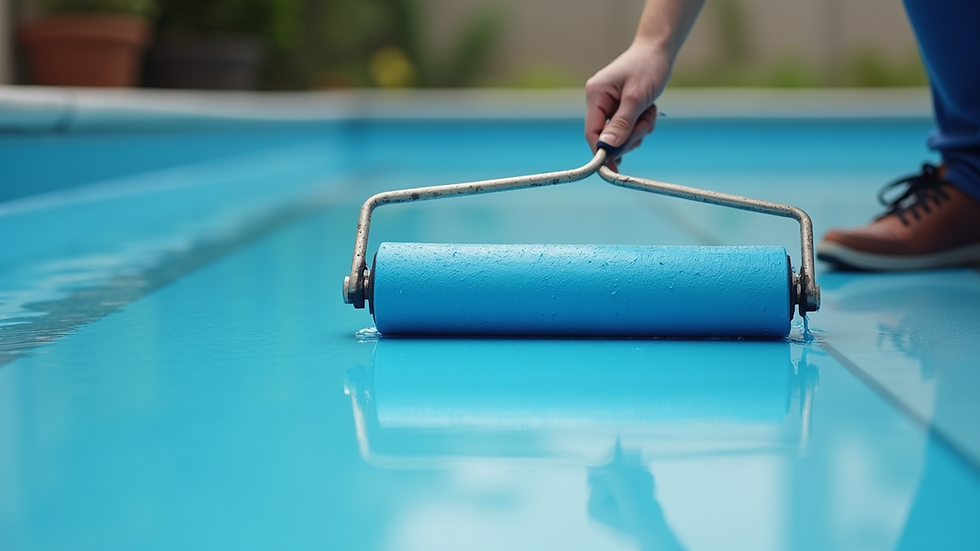
Use the Right Tools: Rollers and brushes designed for pool paint provide even coverage.
Apply Multiple Coats: Usually, two coats are necessary. Allow the first coat to dry fully before the second.
Maintain Proper Temperature: Paint in moderate weather, avoiding extreme heat or cold.
Follow Manufacturer Instructions: Each paint brand has specific drying times and mixing requirements.
Ventilate the Area: If painting indoors or in enclosed spaces, ensure good airflow.
Regularly inspect your pool surface after painting. Touch up any chips or worn areas promptly to prevent damage.
Maintaining Your Painted Pool Surface
After painting, maintenance keeps your pool looking good and extends the paint’s life:
Regular Cleaning: Remove debris and algae buildup with gentle scrubbing.
Monitor Water Chemistry: Balanced pH and chlorine levels prevent paint degradation.
Avoid Abrasive Tools: Use soft brushes or sponges to protect the paint.
Inspect for Damage: Check for cracks, peeling, or discoloration regularly.
Schedule Repainting: Depending on paint type and usage, repaint every 3-7 years.
Proper maintenance reduces costly repairs and keeps your pool inviting.
Enhancing Pool Value and Safety
A well-painted pool surface improves safety by providing a non-slip finish. It also enhances the pool’s aesthetic appeal, increasing property value. Durable pool paint options protect the pool structure from water damage and chemical wear. This reduces long-term maintenance costs.
Choosing the right paint and applying it correctly ensures your pool remains a safe, attractive feature for years. Whether you manage a private pool or a commercial facility, investing in quality paint is a smart decision.
By selecting durable pool paint options and following proper preparation, application, and maintenance steps, you can enhance your pool’s performance and appearance. Consider trusted products like aquarama pool paint to achieve professional results. Keep your pool safe, beautiful, and ready for use season after season.


Comments